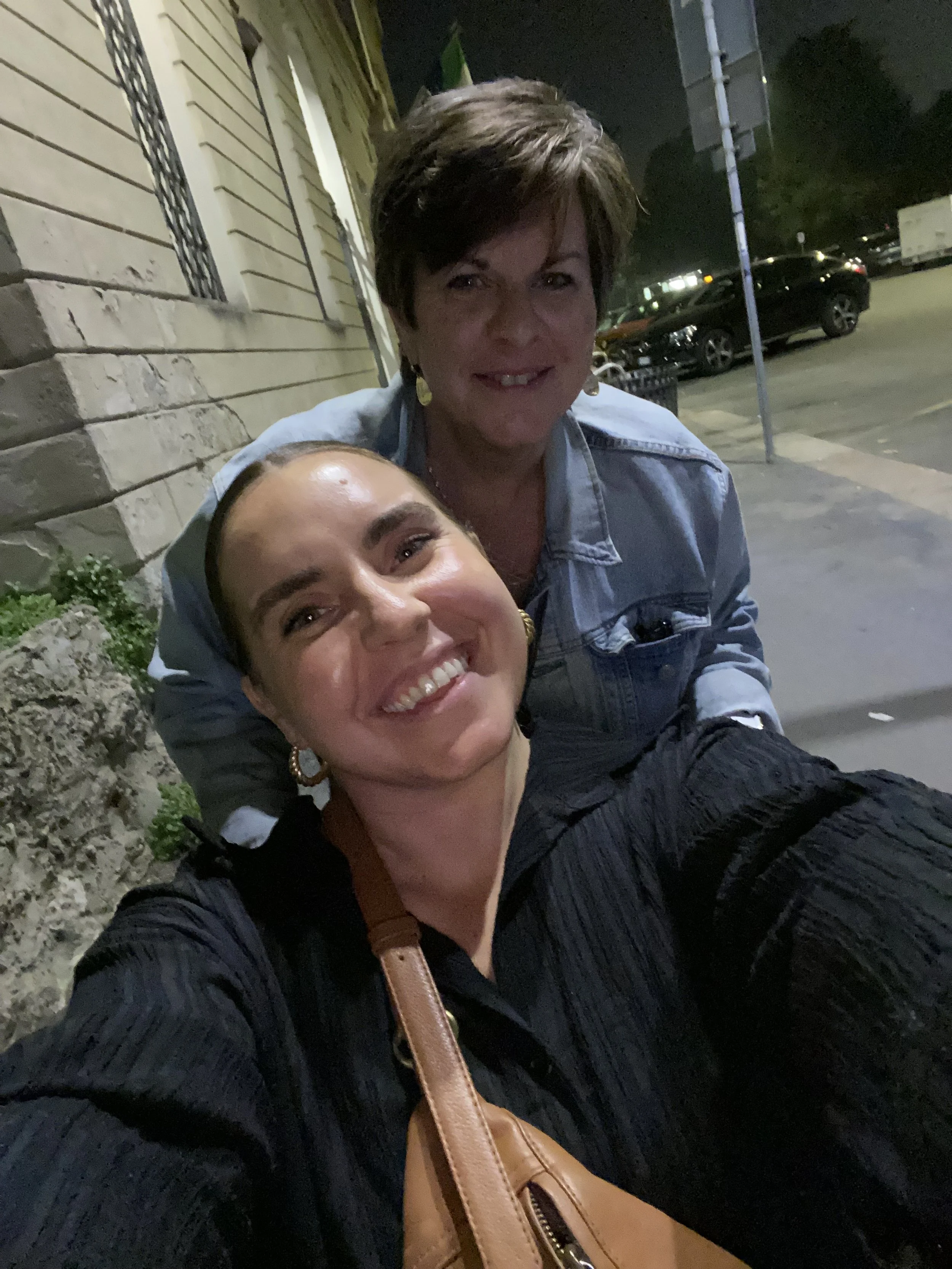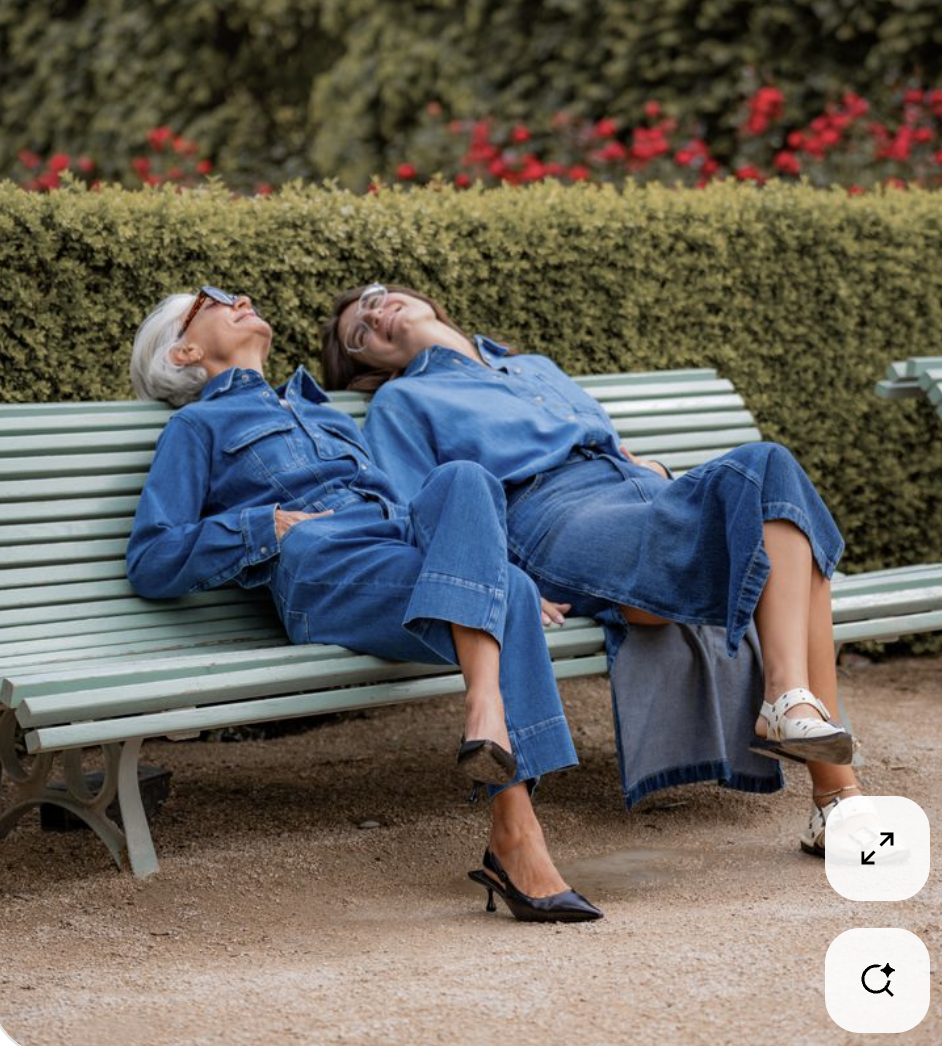
we’re a mother-daughter duo building the design firm we wish existed.
We don’t have a signature style, but we do have a singular process — one that is grounded in being as invested in your space as you are.
We ask the right questions. We notice the things you’ve stopped noticing.Then we create spaces that aren’t just beautiful—they’re functional and intelligent.
Effortlessly.
our philosophy
Design for everyone.
Your environment shapes your energy.
Whether you’re starting fresh, merging lives, or making the most of what you’ve got—we believe everyone deserves a space that works for them. Good design isn’t about budget. It’s about clarity, creativity, and knowing what actually matters.
Design for everything.
Your space is a system—one most designers stop at the surface of.
But friction doesn’t come from the wrong paint color. It comes from awkward flows, overloaded surfaces, or invisible annoyances that stack up. The chain of decisions, constraints, and daily patterns that either create ease—or block it.We solve for that — considering all the ways your space impacts how you feel, move and function.
Design with ease.
Our ultimate goal is that working with us is easy.
Our process gives you the clarity, tools, and expert support to move through design decisions with more confidence—and less second-guessing. We respect your time, adapt to your needs, and make the experience feel just as good as the outcome.


the pair behind the pear
Vicky is the classicist and the veteran.
She’s spent over forty years designing commercial and residential interiors—from expansive corporate offices to bustling restaurants, hotels, and coffee shops. Her career has spanned every kind of space and scale, giving her a deep command of what it takes to bring ambitious design visions to life.
She’s exacting, collaborative, and fast—known for her calm execution, clear communication, and no-nonsense eye for what works. Clients trust her because she brings structure without rigidity, and clarity without ego. Many have stayed with her for decades, turning professional relationships into personal ones along the way.
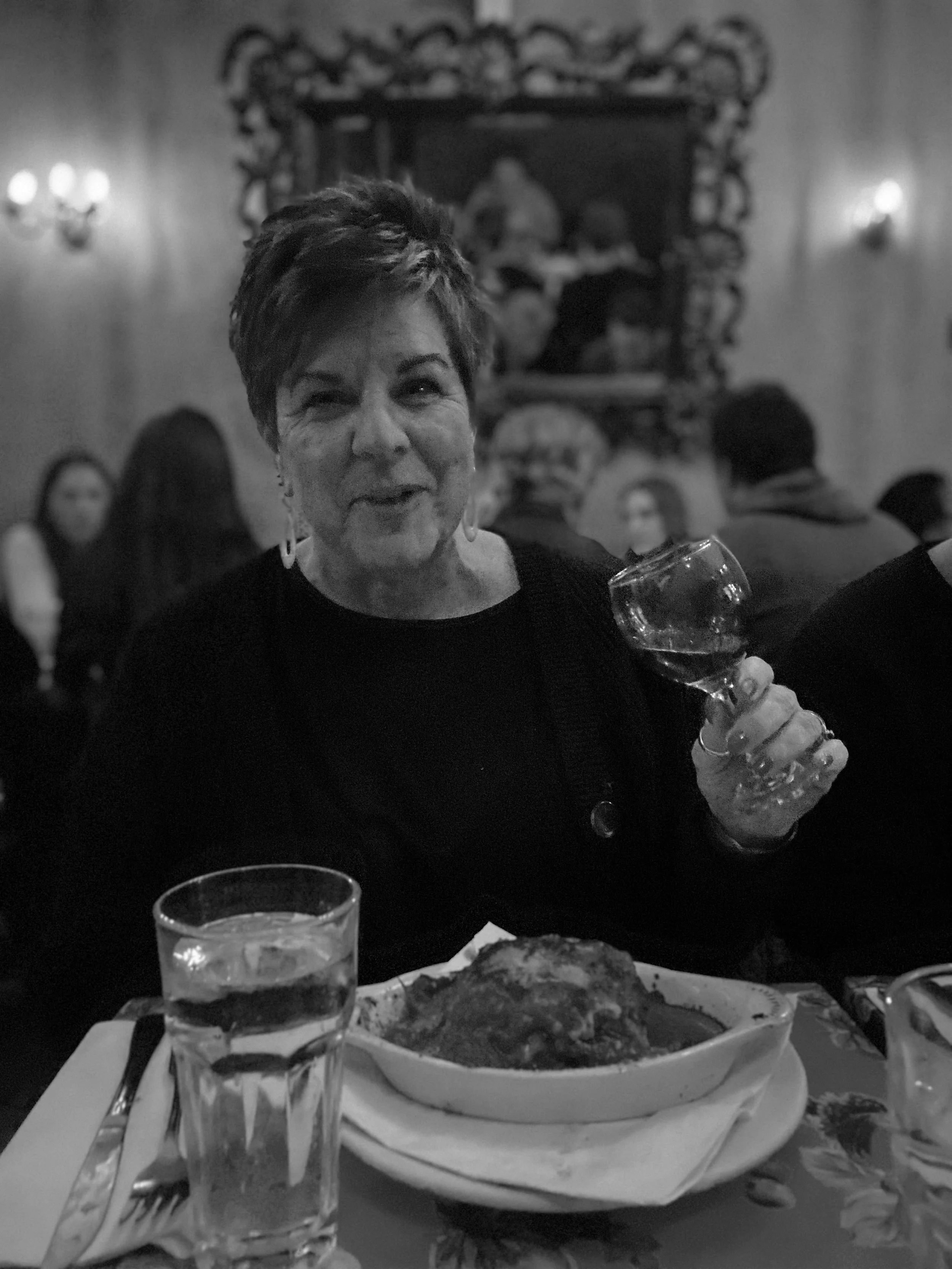
At Pearhaus, Vicky brings both deep industry fluency and a decades-long curiosity about how the design process could be simpler, faster, and more human. Her approach is rooted in fundamentals—proportion, function, flow—but never stuck in the past. She believes the best design begins with thoughtful planning, trust, and honest conversation.
After stepping away from her longtime design firm, she and her husband purchased a historic home and spent a year renovating it on a tight budget. That project rekindled her love for interiors—and reminded her how resourcefulness, constraints, and creative partnership can make design feel personal again.
Pearhaus is her next chapter: a chance to rethink the practice alongside her daughter, focus on the work she loves most, and bring decades of wisdom to spaces that are meant to be lived in, not just looked at.
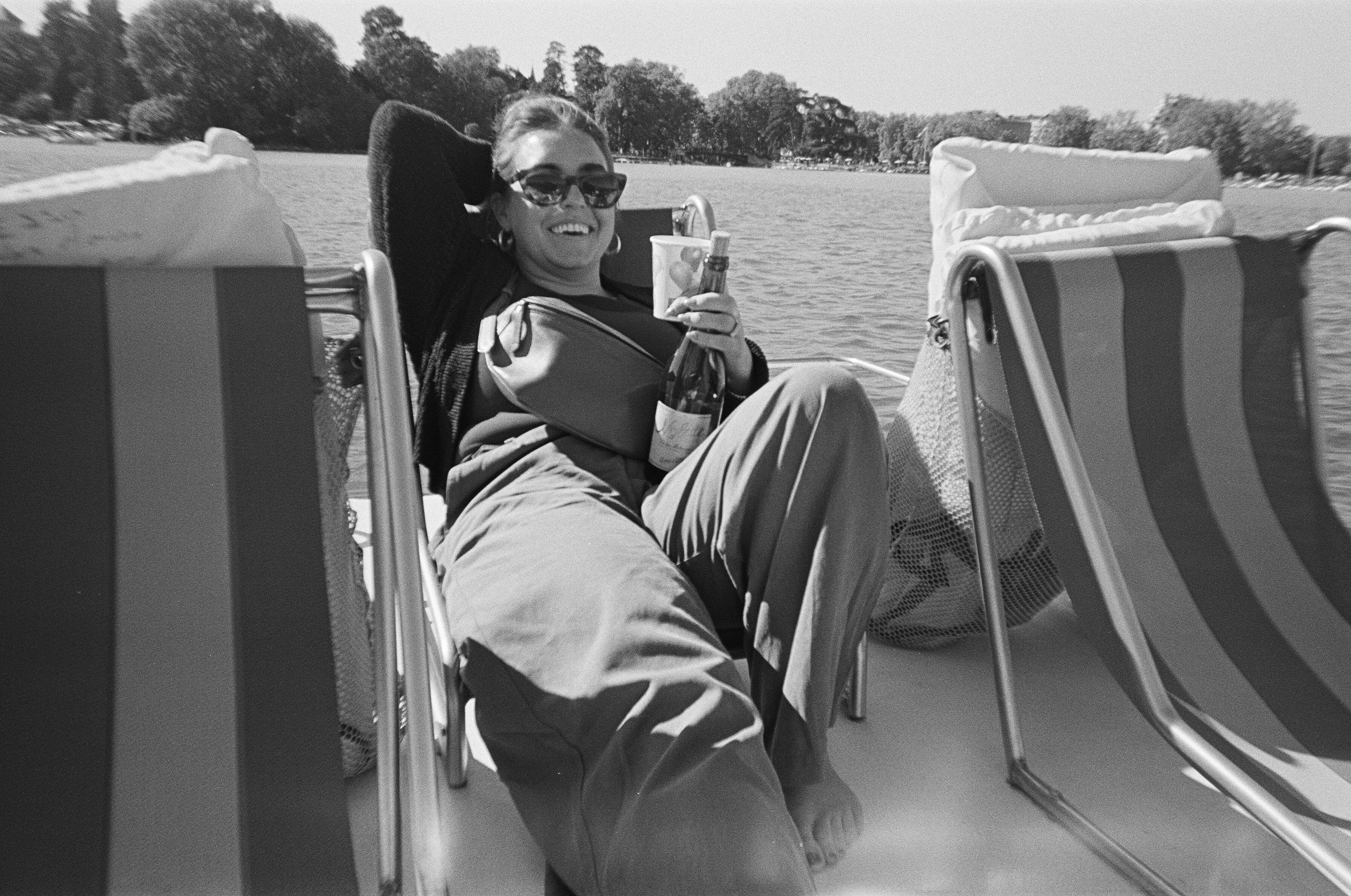
Alex is the explorer and the skeptic.
She comes from the world of automation, systems design, and service strategy—fields built on asking “why does this work?” and “how could it work better?” Her focus has always been on decoding invisible forces: the patterns and decisions that make a space—or an experience—feel intuitive, intelligent, and quietly supportive.
At Pearhaus, Alex brings a behavior-first lens to interior design. She believes the best spaces aren’t just beautiful—they’re frictionless. They anticipate needs, support routines, and reduce the mental load of everyday life.
That belief didn’t come from theory. It came from trying (and failing, and trying again) to build a home that actually felt good. Along the way, she realized how frustrating and overcomplicated the process can be—especially in an online world that reduces it all to lists: “3 ways to cozy up your space.” “5 mistakes you’re making in your living room.”
It’s content—but not context. In reality, it’s rarely just three things. Some choices feel tiny but change everything. Some don’t matter—until they suddenly do. Sometimes it’s only about aesthetics. But more often, it’s about something deeper: the why behind your choices. The how behind your habits.
Pearhaus exists to bring that context. To make the invisible factors visible. To guide a process that gives you the clarity, tools, and expert support to move through design decisions with more confidence—and less second-guessing.
what’s in a name
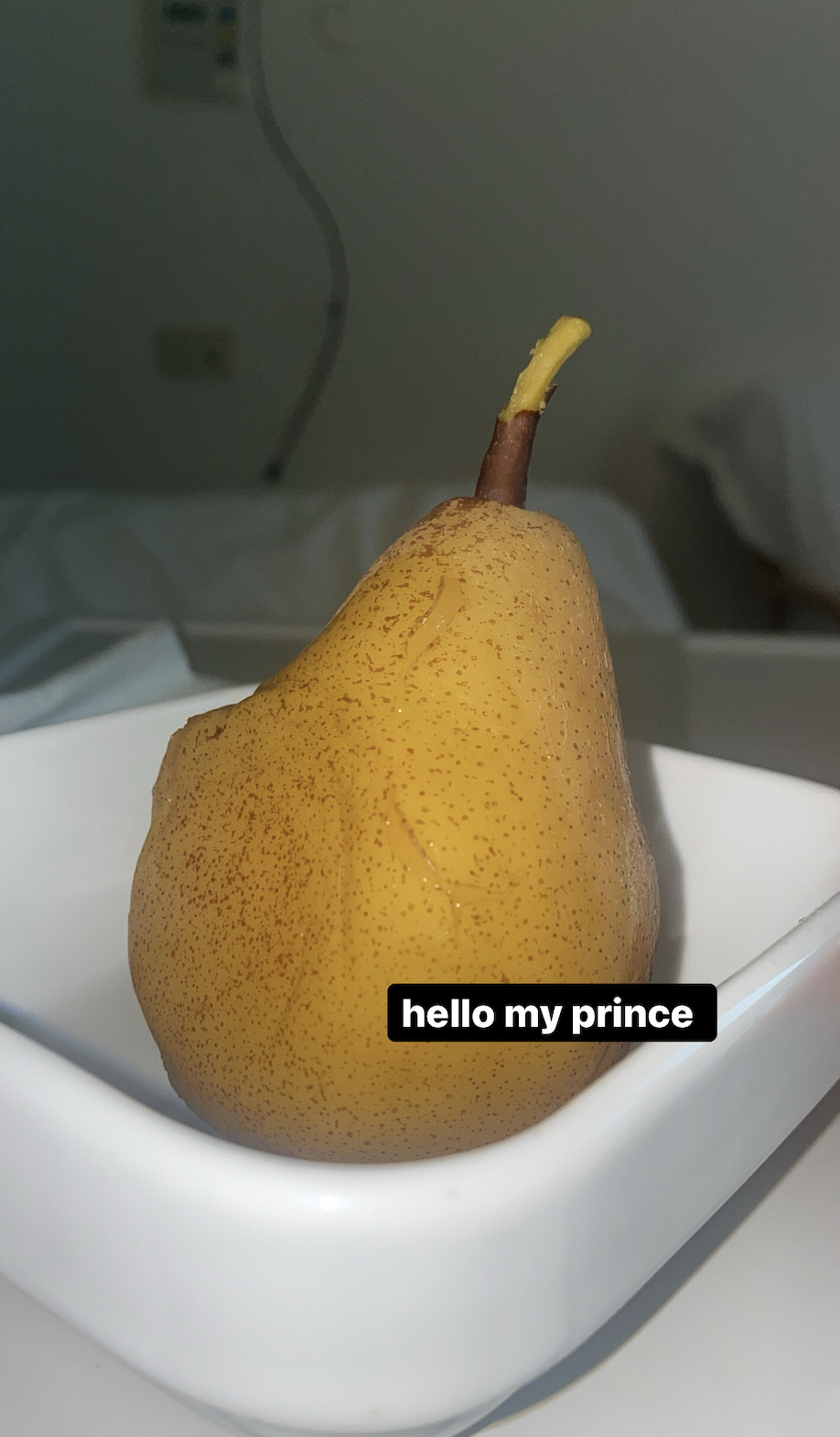
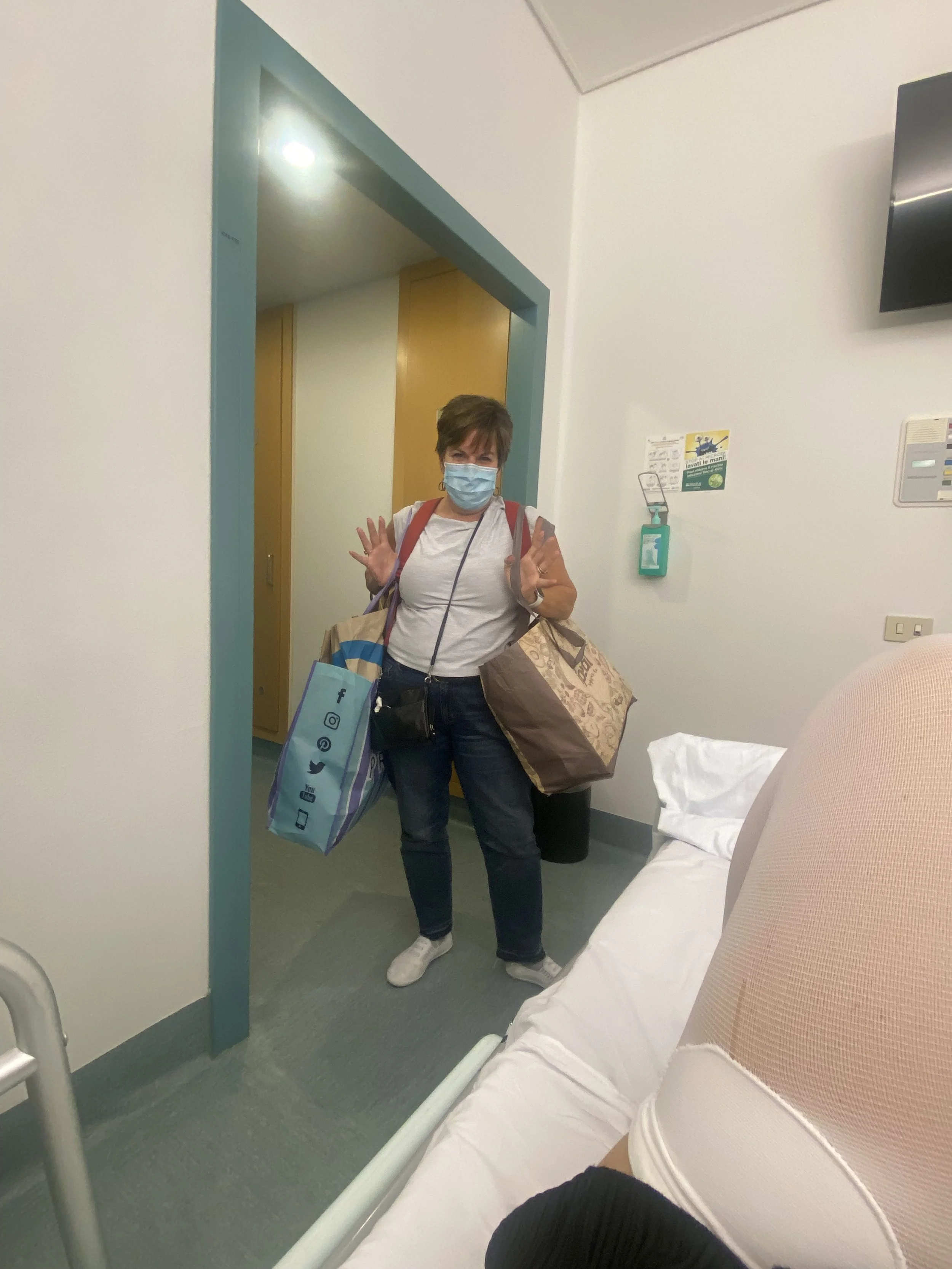
Posted to Alex’s instagram story on October 5th, 2022. Taken from a hospital bed in Milan, Italy. Vicky is out of frame.
The seeds of Pearhaus were planted in a hospital room in Italy.
While on vacation, I (Alex) was injured and ended up spending three weeks in a Milan hospital recovering from surgery. My mom—true to form—dropped everything to be there. For 18 days, we shared a 40-square-foot room, with her sleeping in a chair next to my bed and me processing a lot of things you tend to think about when you’re not sure how your body will recover.
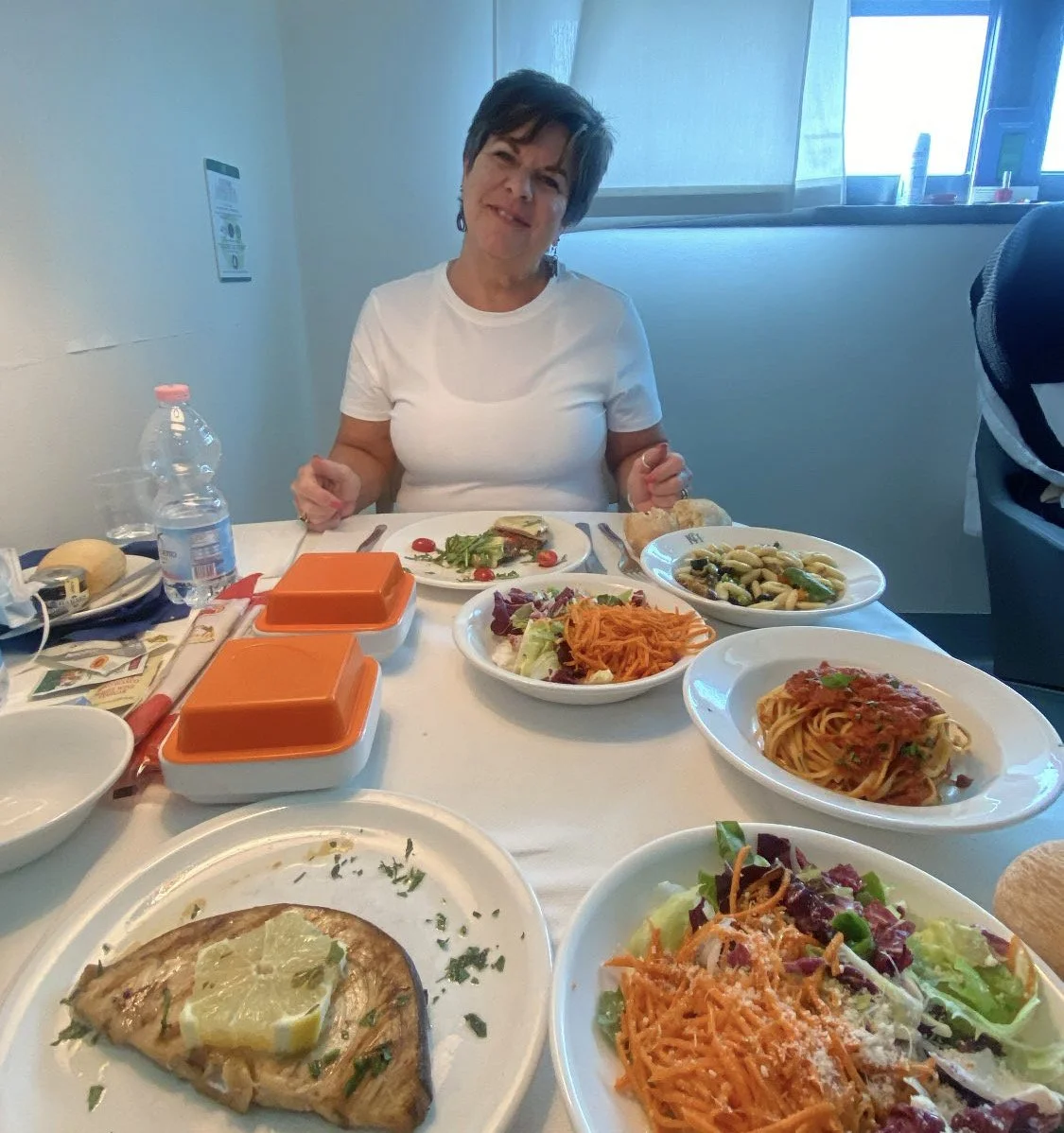
Somewhere between the bed rest, the boredom, and the 20+ servings of poached pears that came with every hospital meal, we started talking seriously about what it might look like to build something together. Something creative. Something practical. Something that fed parts of both of us that had been a little undernourished.
In the years that followed, we each took on home renovation projects that reinforced what we already knew: spaces shape us. When a space feels good, you feel good. When it works better, so do you.
By 2024, a series of professional shifts opened the door to finally make it real. Pearhaus launched in 2025—not on a whim, but as a natural next step. Long overdue, in some ways. Right on time in others.
Design has always been our shared language. Growing up, our home was always in flux—walls repainted, furniture rearranged, rooms reimagined. That instinct to adjust and evolve your space has always been second nature for us.
Pearhaus is the grown-up version of that instinct. It exists to help others create spaces that support who they are now—and where they’re headed next.